
Welcome to
Infigo Education Podiatry Fascia Courses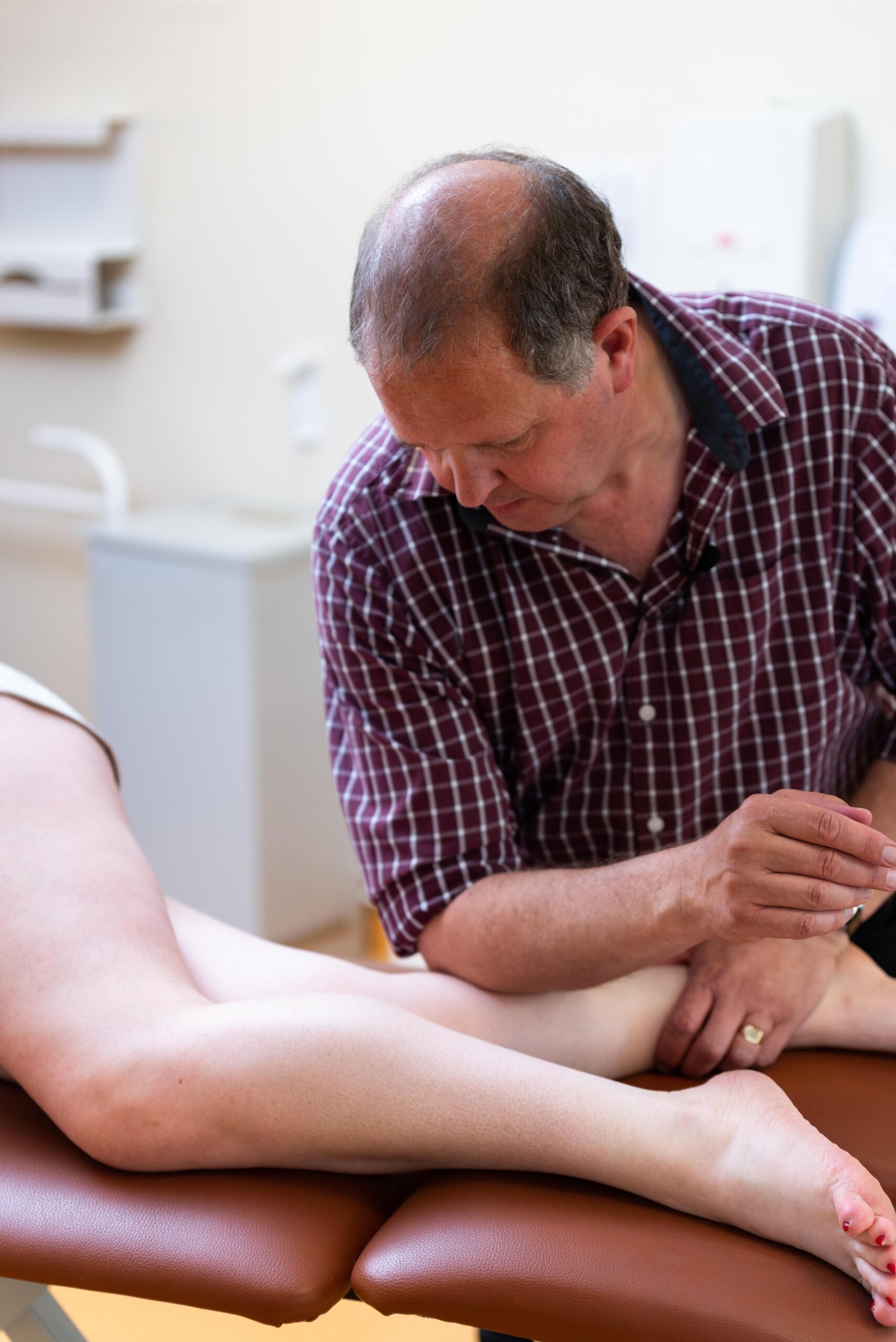
What is Fascial Manipulation®
Fascial Manipulation® Stecco Method is a hands on approach intending to restore the intricate functional relationship between the fascia and its associated muscles, where this has been disrupted. In terms of our clinical reasoning, we tend not to separate these entwined structures.
Such disruption may contribute to dysfunction, pain or reduced confidence levels in function. Be this a localised disruption (calf) or global (different places from pelvis to toes) the FM courses equip podiatrists with assessment and treatment skills to address the situations. They offer:
-
Highly detailed insight into the anatomy, physiology, neurology and pathology of fascial tissue itself and potential impact on its associated muscles.
-
A distinctive biomechanical model of fascial function, clinical reasoning and practical application to benefit your patients. If you wish, it is offering an additional way in, to aid a positive resolution. As one highly experienced MSK podiatrist chose to put it:
I love this course. It will change how you work…..in a good way!
Bob Longworth
Want to know what the course material might look like? You can get a taste of it in the webinar video below.
A brief over view of Fascial Manipulation®.
It is the detail that counts
The FM courses seek to underpin their rationale and approach with detailed knowledge, both in terms of anatomy and research. To that extent much of the theory course provides detailed research but also acknowledges where still more is needed to firm up ideas or to question ideas. This continues into the practical as well. Questions and queries are important for our continued evolution as clinicians and future benefit of our patients.
Targeting that which can be changed
Working in alliance
Meet the tutors
The level 1 and 2 online theory courses are prepared and presented by Professors Carla and Antonio Stecco, clearly structured and allow you to manage your study schedule. There is plenty to learn in the theory and it will need dedicated time but it is so rewarding. The onsite practical part of the courses for podiatrists are led by Professor Antonio Stecco and run over 2 days.
Pragmatically
Do I need to have studied fascia before?
No. Prior knowledge of working with fascia is not required to attend the course. All the material is a within Podiatrists ability to learn. However, making quality time available to study the lectures is essential and cannot be emphasised enough.
Our course provides opportunity for:
- Podiatrists to up-skill and extend their scope of practice in the area of connective tissue, its anatomy, physiology, pathology and treatment. Led by some of the worlds leading researchers.
Client Testimonials
I find the joint mobilisation and fascial manipulation techniques to be an overall part of my assessment……From a surgical perspective the techniques have resulted in many patients not having to undergo surgical procedures as well as managing post-operative complications resulting from abnormal gait patterns.
Dr. Mark P.