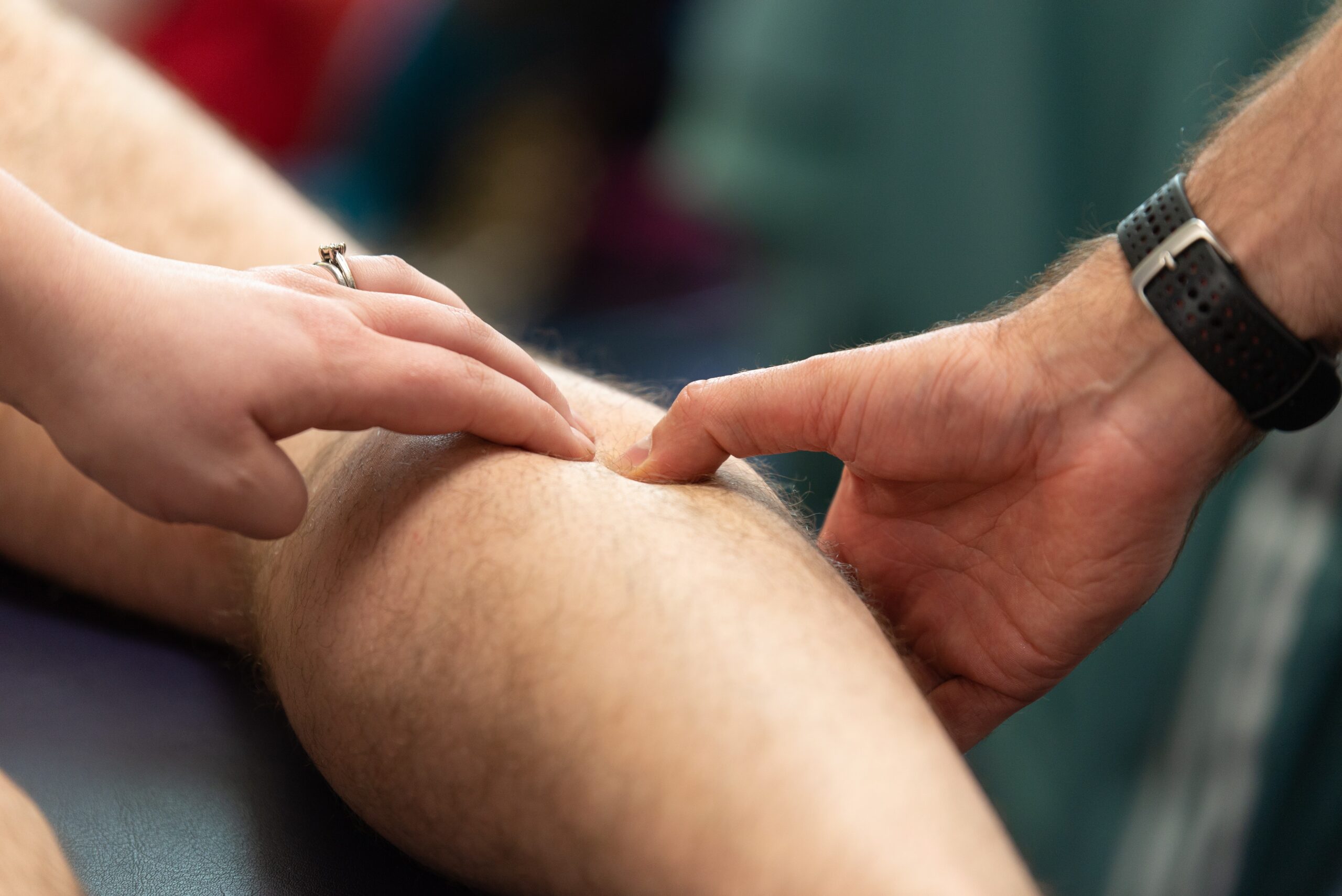
Fascial Manipulation®Stecco Method - Podiatry.
Level 2b
This is the Onsite practical of 16 hours over 2 days. It brings together all the theory with the practical. Whilst predominantly practical it will contain lectures but no MCQ.
Learning Outcomes
At the conclusion of the course, the participant should be able to:
- Understand the role of retinacula in proprioception and pain. (knowlege)
- Differentiate between spiral and diagonal motor disorders thanks to the assessment process. (Analysis)
- Define a correct treatment strategy to restore the biomechanics of the human body. (Synthesis)
- Evaluate the quality of the retinacula through palpatory verification and treat the appropriate points (Center of Fusions) restoring the gliding of the retinacula. (Evaluation)
Dates and Costs for 2027
Venue: Heathrow, venue to be confirmed.
LEVEL 1: 13-14 March (practical)
LEVEL 2: 19-20 June (practical)
COST per level: £1600
MASTERCLASS: 4 June (this is provisional)
To book please contact Ian on
Please note, training levels are progressive as Level 1, 2.
Masterclass can only be undertaken once you have passed level 2.
It is hoped to provide a further course, specific to working with superficial fascia but this is to be determined.
In booking you:
1. Confirm you are a qualified, registered podiatrist.
2. Agree to the payment Terms and Conditions and Privacy Terms listed on this site.